Category: Naser Farhangfar

ناصر فرهنگفر

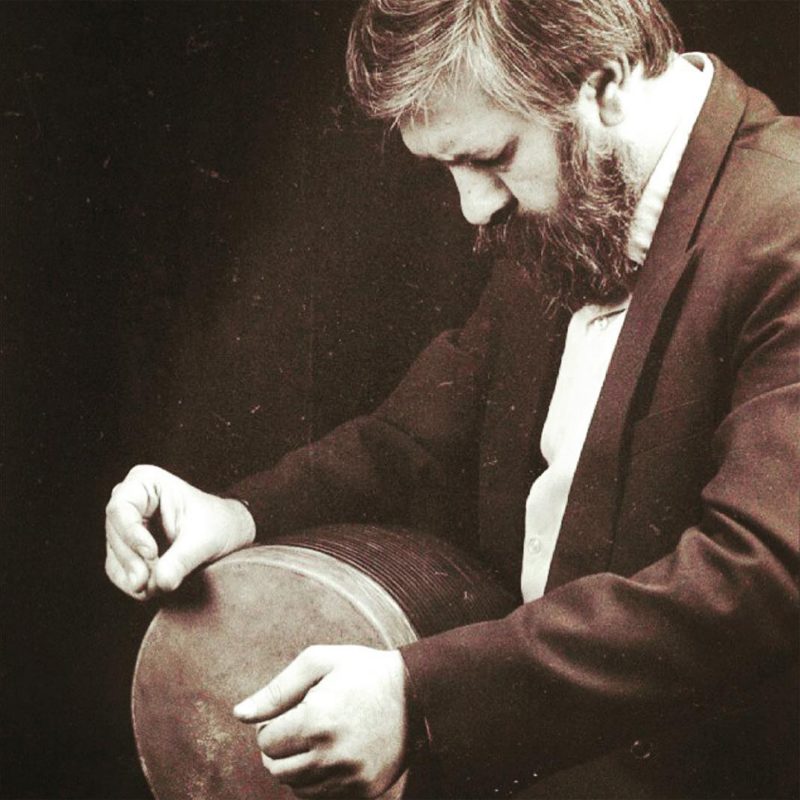
Naser Farhangfar, (October 26, 1947, Rey – August 14, 1997), was a prominent Tonbak player and teacher of traditional Iranian music.

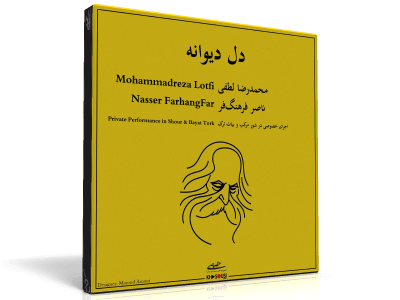
Naser Farhangfar was born on October 26, 1947, in Rey. His father, a police officer, played the Tar, and his uncle played the Tombak. However, his father was against Naser playing musical instruments. His maternal grandfather, Mirza Mehdi, was a calligrapher from the Qajar era. This artist’s talent became apparent at the age of 7: he would beat on clay pots and later began learning the instrument with his uncle’s Tombak. During this time, his perseverance in learning the Tombak led to significant progress. Farhangfar learned the basics of Tombak from one of his relatives, Mohammad Turkman, who was a student of Amir Naser Eftetah, a famous Tombak player of the time. This paved the way for him to meet Hossein Tehrani. Farhangfar’s remarkable talent convinced Master Hossein Tehrani to accept him as a student. He studied with this master for a short time, and with his guidance, he spent a year with Mohammad Esmaili learning Master Tehrani’s Tombak book to learn notes. During this period, Naser Farhangfar benefited from the knowledge of renowned masters such as Abdullah Davami, Seyed Hassan Mirkhani, Seyed Hossein Mirkhani, and Ali Akbar Kaveh. Farhangfar’s interest in poetry, literature, and calligraphy made him known as a musician aware of other forms of art. He was as skilled in writing poetry and working with calligraphy pens as he was in playing music, which is why his playing was influenced by these arts. In those years, he went to the Faculty of Fine Arts with Davood Ganjei and became acquainted with Master Noor Ali Boroumand and Dariush Safvat. In 1963, with the beginning of the Center for the Preservation and Dissemination of Music, he began working as a Tombak instructor. During this time, he had a significant impact on the playing style of the Tombak instrument. After about a decade of activity in this center, in 1971, he entered radio and television and, at the suggestion of his friend Bahman Rajabi, performed in famous programs called Haft Shahr Eshgh, Golhaye Taze, and Golchin Hafte with Master Bahari and Lotfollah Majd, and others. Farhangfar played a significant role in the flourishing of the musical movement of the Sheida and Aref groups, because music activists viewed the Tombak only as an accompanying instrument in the orchestra, but Farhangfar’s playing in these groups changed this mindset to a great extent among musicians. The most prominent feature of this renowned master’s playing is the performance of rhythmic cycles with unconventional techniques. His knowledge of the meters of poems brought creativity to his performance of rhythmic cycles, because these rhythmic cycles are very dependent on classical poems. While Farhangfar was skilled in solo Tombak playing, he was also an excellent simple player. From 1972, he performed numerous programs with Mohammad Reza Shajarian, Mohammad Reza Lotfi, Hossein Alizadeh, Dariush Talaei, Davood Ganjei, Parviz Meshkatian, and others at the Shiraz Arts Festival. In 1973, he went to Belgium with the group from the Center for the Preservation and Dissemination of Music and collaborated with the Maurice Béjart Ballet, and in the same year, he performed the same program in Persepolis. In 1975, he was invited to New York by Robert Wilson and collaborated with his theater group. His membership in the Sheida group and his beautiful performances with Mohammadreza Lotfi in the same year, and in the Aref group with Parviz Meshkatian and Hossein Alizadeh, etc., continued until 1984 with the establishment of the Chavosh art group. The works that remain of him show that this player’s melodic understanding was high, which is why he was also effective in group playing. After the peak period, when he played Tombak in the album Basteh Negar with Mohammad Reza Lotfi’s Tar, the master gradually became reclusive and, as they say, withdrew into solitude.

Farhangfar had a special talent and flair for writing poetry and Ghazal. In poetry, he was inclined towards Iraj Mirza and left behind humorous poems. He wrote his first Ghazal at the age of 12. Only a few verses of that Ghazal remain.

Until my tears compose a song of sorrow

Hundreds of thousands of knots of the heart it opens

The chapter of my burning and pain in the book of life

The legend of your gaze begins

Some of his songs include Sooratgare Chin, Pir Meyforosh, and others. Naser Farhangfar passed away on Thursday, August 14, 1997, at the age of 50, after a period of seclusion and work isolation.

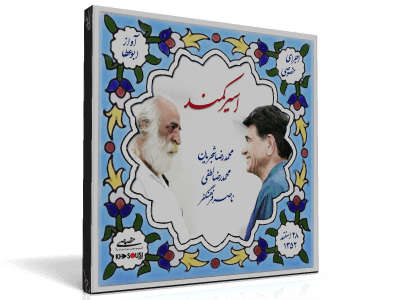
Naser Farhangfar had collaborated with Mohammadreza Shajarian in works such as Bidad, Astane Janan, and Rast Panjgah.