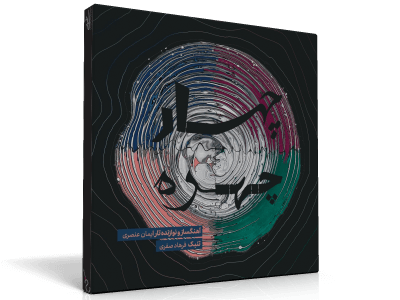

Four Faces – Iman Onsori & Farhad Safari – Tar and Tombak Duet
“The album “Four Faces” consists of three parts, and in each part, the composer has tried to describe different human aspects in the form of a Tar duet.
The first part is called Four Faces and describes joy, sadness, anger, and lust.
The second part is called Four Treasures and describes patience, love, fighting, and contemplation.
The third part is called the Patience of Waiting.
This album is noteworthy in several aspects:
The first point is the lack of repertoire for duets or ensembles for Iranian instruments. Since this album focuses on Tar duet, it can fill the void of this type of educational books in Iranian music to some extent. The characteristic of duet pieces and small ensembles is their feasibility. Gathering two Tar players to perform these pieces is much easier than gathering a multi-member music group, and this helps these types of pieces reach the stage of repeated performances by Tar players sooner.
The second characteristic of this collection is attention to describing different human characteristics. In the repertoire of Iranian music, very few people have addressed the various aspects of human characteristics. Therefore, this collection can be a good guide to attract the attention of composers to this topic.
The third feature of this collection is the technical aspect of the pieces. The pieces in this collection are generally not easy pieces, and various Tar playing techniques are dominant in this collection. How much these techniques and the difficulty of performing the pieces were necessary is entirely up to the composer’s view and his understanding of the path of education, and on the other hand, we must see how much the Tar playing community needs and desires these techniques.
The fourth feature of this collection is the composer’s chosen harmony to describe the Tar duet space. Considering my knowledge of Iman Onsori and in the years that he has been in my composition classes, Iman’s courage in harmony and chord progression has always been remarkable. Iman certainly needs to refine and purify his ideas in order to reach a justifiable, organized system, but courage and daring are always the first step.
I hope that this collection will be well received by the people of Iranian music, especially Tar players, and that we will witness repeated performances of this collection.”
Amir Eslami
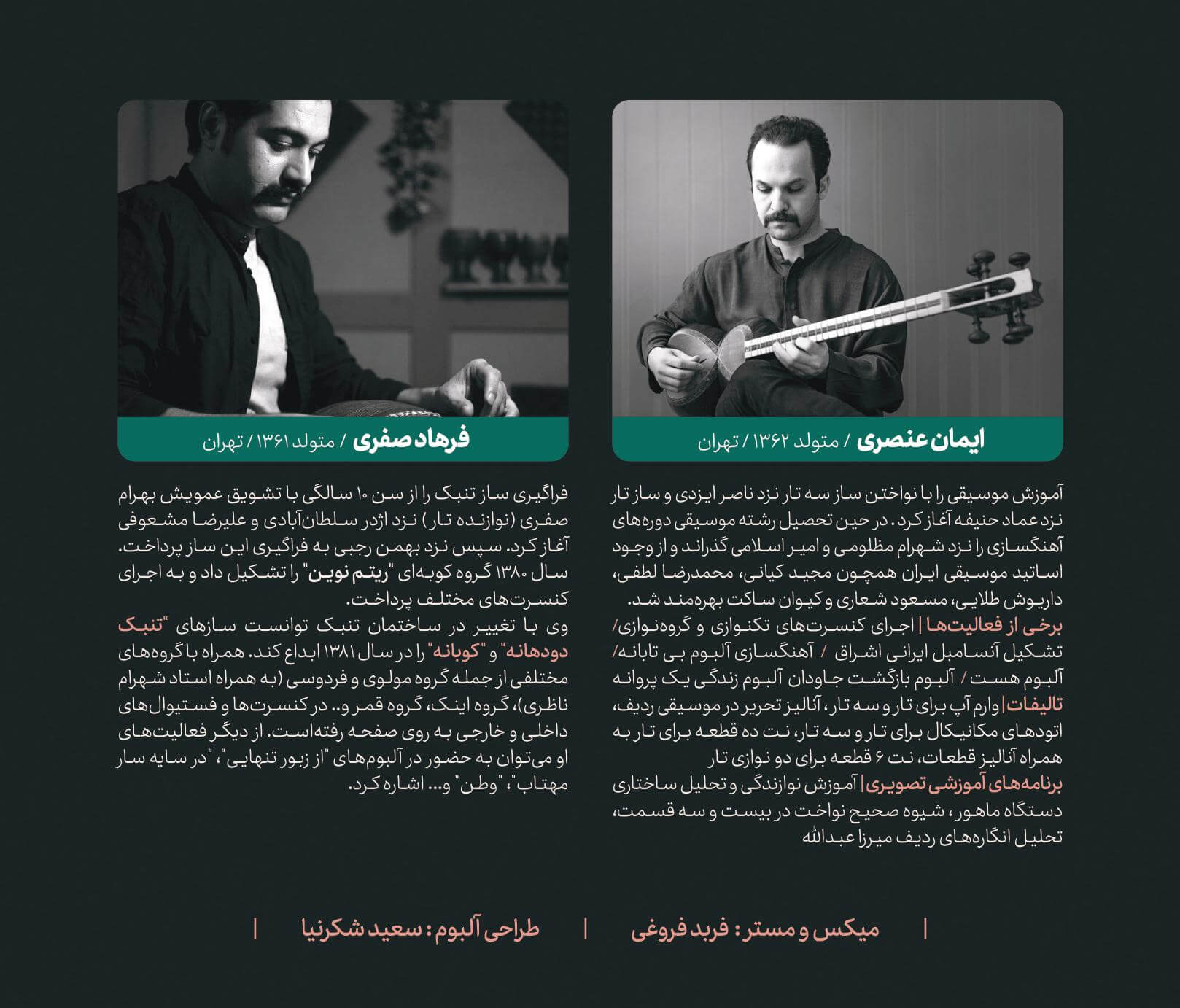
Mixing and Mastering: Farbod Foroughi
Album Design: Saeed Shekrnia

Download with direct link – Download from Uploadboy
Online پخش آلبوم چهار چهره :
“The sound of the instrument, this abstract art that undoubtedly accompanies us in understanding and accepting the absolute in its purest form, in the album Chahar Chehreh, by Iman Onsori, makes its special and professional audience aware of Schopenhauer’s view of free will and takes them from this natural determinism of creation to another realm for a short time, which is an experience outside of oneself.
Iman Onsori has been able to bring to fruition Wagner’s idea that both elements of creative structure (Apollonian) and disturbed and disorganized inspiration (Dionysian) must be balanced in art, and displays the unbalanced Four Faces that are supposed to be balanced.
This creative display in the first sixty seconds represents the element of joy in the text of life, which begins in the realm of income and continues in the sound range of Chahargah, referring to the simpler main elements, and returns to the witness of income. In the second part, we see a variation in the corner of Hesar, which, considering the melody of joy, creates a different and considerable space, and in this way, the concept of sorrow is sounded in the middle. The third part is a sound diagram of anger, in which the tone of the plectrum and fingering in the mode of Moye or Chahargah Fa at its peak leads to a quarrel between two opposing poles.
And finally, the element of lust, which can be the product of joy – sorrow – and anger, goes through the previous cycle of expansion in order to be able to show the space of repeated living of these elements in the text of human life in a continuous and sequential manner. This work specifies the different approach of the player to the sound that expresses the human condition in the course of historical life and has tried to show the unique effect of music in these markings by expressing the common signs of the sound of the instrument and the sound of these four elements.
The player’s special attention to these four elements, which are considered to be the sources of human salvation and the transcendence of mankind, doubles the importance of producing a creative musical work with conceptual origins in human life.”
Hossein Eshragh